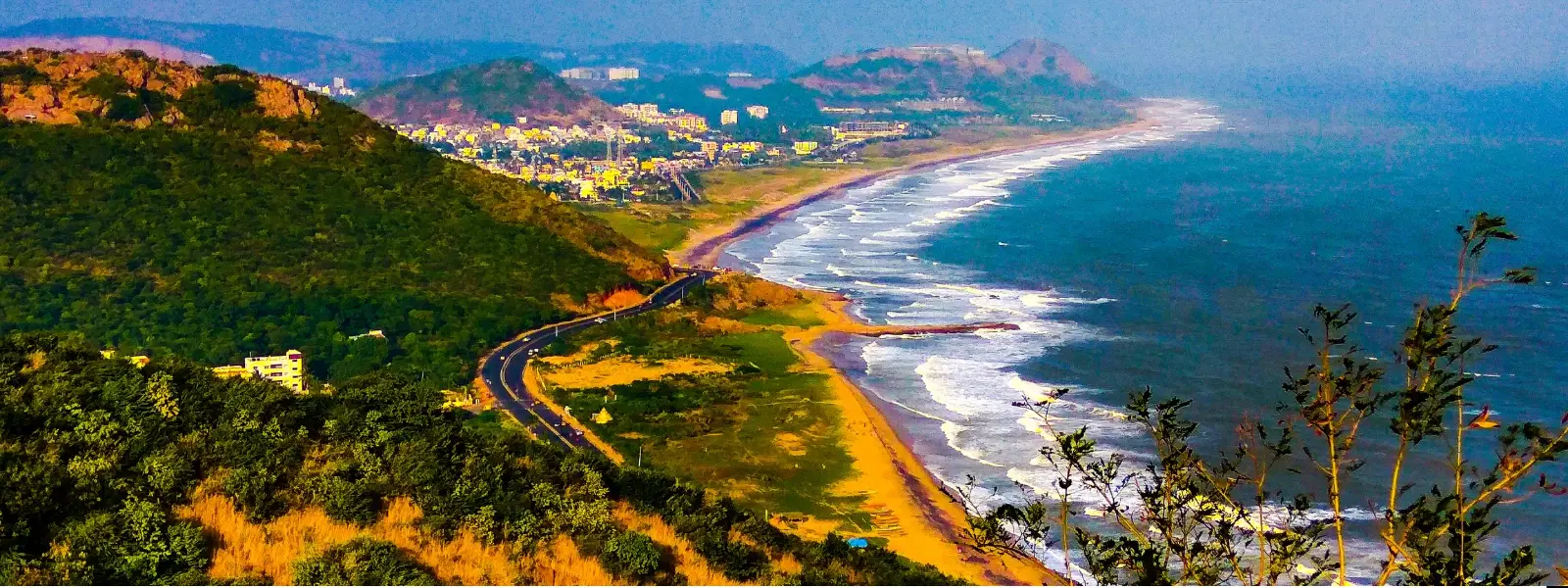
Discover the World: Unveiling the Next Big Travel Trends

Discover the World: Unveiling the Next Big Travel Trends
Travel is more than just crossing borders—it’s about connecting with cultures, landscapes, and experiences that redefine the way we see the world. As we move further into the 21st century, the travel industry is evolving at a rapid pace, driven by technological advancements, shifting consumer preferences, and a growing emphasis on sustainability and personalization. Whether you’re a seasoned globetrotter or planning your first adventure, staying ahead of the latest trends can transform your journeys into unforgettable stories. In this article, we’ll explore the most exciting travel trends shaping the future of exploration, from off-the-beaten-path destinations to immersive experiences that go beyond the ordinary.
The Rise of Slow Travel and Local Immersion
In a world that often prioritizes speed and efficiency, a counter-movement is gaining momentum: slow travel. This trend encourages travelers to ditch rushed itineraries in favor of deeper connections with destinations, their people, and their cultures. Instead of ticking off landmarks in a single day, slow travelers immerse themselves in local communities, savoring the rhythm of daily life.
One of the key drivers of this shift is the desire for authentic experiences. Modern travelers are increasingly seeking out homestays, local food markets, and community-based tourism initiatives that support sustainable livelihoods. Platforms like Airbnb Experiences and Localers have made it easier than ever to connect with locals who offer unique insights into their culture, whether it’s a cooking class in Oaxaca or a guided hike through the rice terraces of Bali.
Another aspect of slow travel is the focus on sustainable transportation. More people are choosing trains over planes for shorter distances, not only to reduce their carbon footprint but also to enjoy the scenic journey. The European rail network, for example, offers an eco-friendly alternative to flying between cities like Paris, Vienna, and Prague, allowing travelers to witness stunning landscapes without the hassle of airport security.
- Stay longer in fewer places – Rent an apartment, volunteer with local organizations, or take a language course.
- Support local economies – Shop at farmers’ markets, dine at family-run eateries, and book tours with indigenous guides.
- Embrace slow transportation – Opt for trains, buses, or even cycling to explore regions at a leisurely pace.
Sustainable Tourism: Traveling Responsibly in a Changing World
The urgency of climate change has cast a spotlight on the environmental impact of tourism. In response, sustainable travel has shifted from a niche interest to a mainstream expectation. Travelers are now more conscious of their carbon footprint, waste production, and the ethical implications of their choices. Destinations and tour operators are rising to the challenge by adopting greener practices and offering eco-friendly alternatives.
One of the most significant trends in sustainable tourism is the rise of carbon offset programs. Many airlines and travel companies now allow passengers to compensate for their emissions by investing in reforestation projects or renewable energy initiatives. While critics argue that offsets are not a perfect solution, they represent a step toward accountability in an industry that contributes around 8% of global carbon emissions.
Eco-lodges and green hotels are also gaining popularity, particularly in biodiverse regions where conservation is critical. These accommodations prioritize energy efficiency, water conservation, and waste reduction, often integrating seamlessly into their natural surroundings. For instance, the Six Senses resorts in Seychelles and Thailand are powered by renewable energy and run on organic waste systems, offering luxury without compromising the environment.
Another exciting development is the growth of wildlife-friendly travel. Ethical wildlife encounters, such as visiting sanctuaries that rescue and rehabilitate animals rather than exploit them, are becoming a priority for conscious travelers. Organizations like World Animal Protection provide guidelines to help travelers identify truly ethical wildlife experiences.
- Choose eco-certified accommodations – Look for certifications like Green Key, EarthCheck, or LEED.
- Reduce single-use plastics – Bring a reusable water bottle, tote bag, and utensils to minimize waste.
- Select tour operators with strong sustainability policies – Support companies that prioritize local employment and conservation efforts.
- Travel during off-peak seasons – This helps distribute tourist traffic more evenly and reduces pressure on fragile ecosystems.
Tech-Driven Travel: The Digital Revolution on the Road
Technology has always been a game-changer in travel, but recent innovations are taking the experience to a whole new level. From artificial intelligence to augmented reality, digital tools are making trips more efficient, personalized, and immersive. The COVID-19 pandemic accelerated the adoption of contactless solutions, and many of these changes are here to stay.
One of the most transformative trends is the use of AI-powered travel assistants. Apps like Google Trips and Hopper leverage machine learning to curate personalized itineraries based on your preferences, budget, and travel dates. These tools can predict flight prices, suggest hidden gems, and even recommend the best time to visit a museum based on crowd levels. For language barriers, real-time translation apps like Google Translate and iTranslate have become indispensable, breaking down communication barriers in seconds.
Augmented reality (AR) is another frontier reshaping how we explore destinations. Museums, historical sites, and even entire cities are using AR to bring the past to life. For example, the Louvre’s mobile app offers interactive guides that overlay digital information on artworks, while the Berlin Wall AR app lets users visualize the divided city as it was in the 1980s. In the future, we may see AR glasses becoming as common as smartphones for travelers seeking an enhanced experience.
Blockchain technology is also making waves in travel, particularly in the realm of loyalty programs and secure bookings. Companies like Winding Tree are using blockchain to create decentralized travel platforms that cut out middlemen, reducing costs and increasing transparency. Meanwhile, digital nomads and remote workers are benefiting from the rise of co-living spaces equipped with high-speed internet and coworking facilities, making long-term stays in foreign countries more feasible than ever.
- Use AI for planning and navigation – Apps like TripIt and Maps.me can streamline your trip from start to finish.
- Explore destinations with AR – Download apps that bring history and culture to life in real time.
- Leverage blockchain for secure transactions – Consider platforms that offer peer-to-peer bookings with lower fees.
- Stay connected with eSIMs – Avoid expensive roaming charges by using digital SIM cards that work across multiple countries.
Wellness Travel: Rejuvenation as the Ultimate Luxury
As the pace of modern life accelerates, so does the demand for travel that prioritizes well-being. Wellness travel is no longer confined to luxury spa retreats; it now encompasses a holistic approach to health, mental clarity, and personal growth. From digital detox retreats to forest bathing in Japan, travelers are seeking experiences that restore balance to body and mind.
One of the fastest-growing segments in wellness travel is digital detox tourism. With screen time at an all-time high, many people are opting for retreats that banish technology and encourage mindfulness. Places like Digital Detox in California and Pura Vida Retreat in Costa Rica offer programs that combine meditation, yoga, and nature therapy to help guests unplug and reconnect with themselves. These retreats often take place in remote locations, from the deserts of Utah to the jungles of Costa Rica, where the absence of Wi-Fi becomes a blessing rather than a burden.
Another trend gaining traction is forest therapy, or “shinrin-yoku,” a practice that originated in Japan. This involves mindfully immersing oneself in a forest environment to reduce stress and boost immune function. Countries like South Korea and Finland have capitalized on this trend by developing dedicated forest therapy trails, where guided sessions help participants slow down and engage with nature on a sensory level. Scientific studies have shown that spending time in forests can lower cortisol levels, improve mood, and even enhance creativity.
For those seeking a more active approach to wellness, adventure wellness retreats combine physical challenges with mental rejuvenation. Companies like The Wellness Travel Company offer itineraries that include hiking in Patagonia, cold-water swimming in Norway, and breathwork sessions in Bali. These trips cater to both fitness enthusiasts and beginners, emphasizing personal growth over competition.
- Choose a digital detox retreat – Look for programs that limit screen time and focus on mindfulness.
- Try forest therapy – Seek out destinations with certified shinrin-yoku guides, such as Japan’s Akasawa Forest or South Korea’s Seoraksan National Park.
- Combine adventure with wellness – Opt for retreats that offer a mix of physical activity and relaxation, such as surf therapy in Portugal or yoga in the Himalayas.
- Prioritize sleep-friendly accommodations – Blackout curtains, organic bedding, and sound machines can enhance your rest.
Off-the-Beaten-Path Destinations: The Allure of the Unexplored
While iconic cities like Paris and Tokyo will always have their charm, a growing number of travelers are seeking out destinations that offer solitude, authenticity, and a sense of discovery. Off-the-beaten-path locations provide an escape from crowded tourist hotspots, allowing travelers to experience cultures and landscapes in their purest form. These hidden gems often come with the added benefit of being more affordable and less environmentally strained than their over-touristed counterparts.
One such destination is Bhutan, a Himalayan kingdom that measures its success not by GDP but by Gross National Happiness. With its stunning monasteries, pristine forests, and strict tourism policies (including a daily visitor fee), Bhutan offers a rare blend of cultural richness and natural beauty. Similarly, the Faroe Islands, a remote archipelago in the North Atlantic, has become a haven for those seeking dramatic landscapes and a slow-paced lifestyle. Its dramatic cliffs, waterfalls, and lack of mass tourism make it a dream for hikers and photographers alike.
In Africa, countries like Namibia and Madagascar are emerging as top choices for intrepid travelers. Namibia’s otherworldly deserts, such as the Sossusvlei dunes, and its wildlife-rich national parks offer a safari experience without the crowds of Kenya or Tanzania. Madagascar, often called the “eighth continent,” is a biodiversity hotspot with unique wildlife like lemurs and baobab trees, making it a paradise for nature lovers.
Closer to home, the Azores in Portugal and the Peloponnese region in Greece are gaining popularity for their untouched beauty and authentic local cultures. The Azores, an archipelago in the Atlantic, boasts volcanic lakes, whale-watching opportunities, and a relaxed pace of life, while the Peloponnese offers ancient ruins, olive groves, and charming coastal villages untouched by mass tourism.
- Bhutan – A spiritual journey focused on happiness and cultural immersion.
- Faroe Islands – Rugged landscapes and a tight-knit community with minimal tourism.
- Namibia – Stunning deserts and wildlife without the safari crowds.
- Madagascar – A biodiversity hotspot with unique wildlife and landscapes.
- Azores – Volcanic wonders and whale watching in a tranquil setting.
- Peloponnese, Greece – Ancient history and unspoiled coastal villages.
Conclusion: The Future of Travel is Yours to Shape
As we look ahead, the travel landscape is becoming more diverse, conscious, and technologically integrated than ever before. The trends we’ve explored—slow travel, sustainable tourism, tech-driven experiences, wellness retreats, and off-the-beaten-path destinations—reflect a broader shift in what travelers value most: meaningful connections, environmental responsibility, and personal growth. By embracing these trends, you can not only enhance your own travel experiences but also contribute to a more sustainable and equitable world.
Whether you’re planning a solo adventure, a family trip, or a group expedition, the key is to travel with intention. Ask yourself what you hope to gain from your journey—whether it’s cultural enrichment, physical rejuvenation, or simply the joy of discovery—and let that guide your choices. The world is vast and full of wonders waiting to be uncovered, and the best way to experience them is to do so thoughtfully, responsibly, and with an open heart.
So, where will your next adventure take you? The possibilities are endless, and the future of travel is yours to explore.